
Route4Me 2026 Roadmap – Planned Releases & In-Development Features Roadmap

Explore what’s coming next in the Route4Me Roadmap and stay informed about upcoming features, enhancements, and in-development improvements. This page provides a forward-looking overview of the product updates currently in progress and planned for release. For a complete list and overview of released features and updates, see the Route4Me 2026 Release Notes.

NOTE: Features on this page are in development and may change before release. Availability may vary by account.
Use the Route4Me Roadmap to explore what’s coming next for Route4Me and stay informed about upcoming features, enhancements, and in-development improvements.

2026 Planned Releases

12
Release Name Release Type Platform Status
Skill Snapshots New Snapshot Page For Driver Skills
New Feature
In Testing

A new Skill Snapshot page is in development. It will provide a centralized view of all entities associated with specific User Skills, offering better visibility into how Skills are applied across your operations. This includes linked users, routes, orders, and other relevant data points, helping to understand the distribution and utilization of skills within an organization.

The Skill Snapshot will provide a centralized view of all entities associated with specific User Skills, offering better visibility into how skills are applied across operations.

Skills Management Page Centralized Skill Management With Dedicated Skills Page
New Feature
In Testing

A dedicated Skills management page will be introduced, enabling you to create, view, and manage User Skills as a centralized entity within the platform. This provides a structured way to define and maintain skills such as certifications, capabilities, and operational qualifications across your workforce.

A dedicated Skills management page will be introduced, enabling you to create, view, and manage user skills as a centralized entity within the platform.

Route Settings Panel New Standardized Settings Panel For Planning Routes
UI/UX Update
In Testing

A new, structured Route Settings panel is being introduced to provide a more consistent and scalable configuration experience when planning routes. The updated layout makes it easier to navigate, adjust, and understand optimization parameters and business rules in a unified interface.
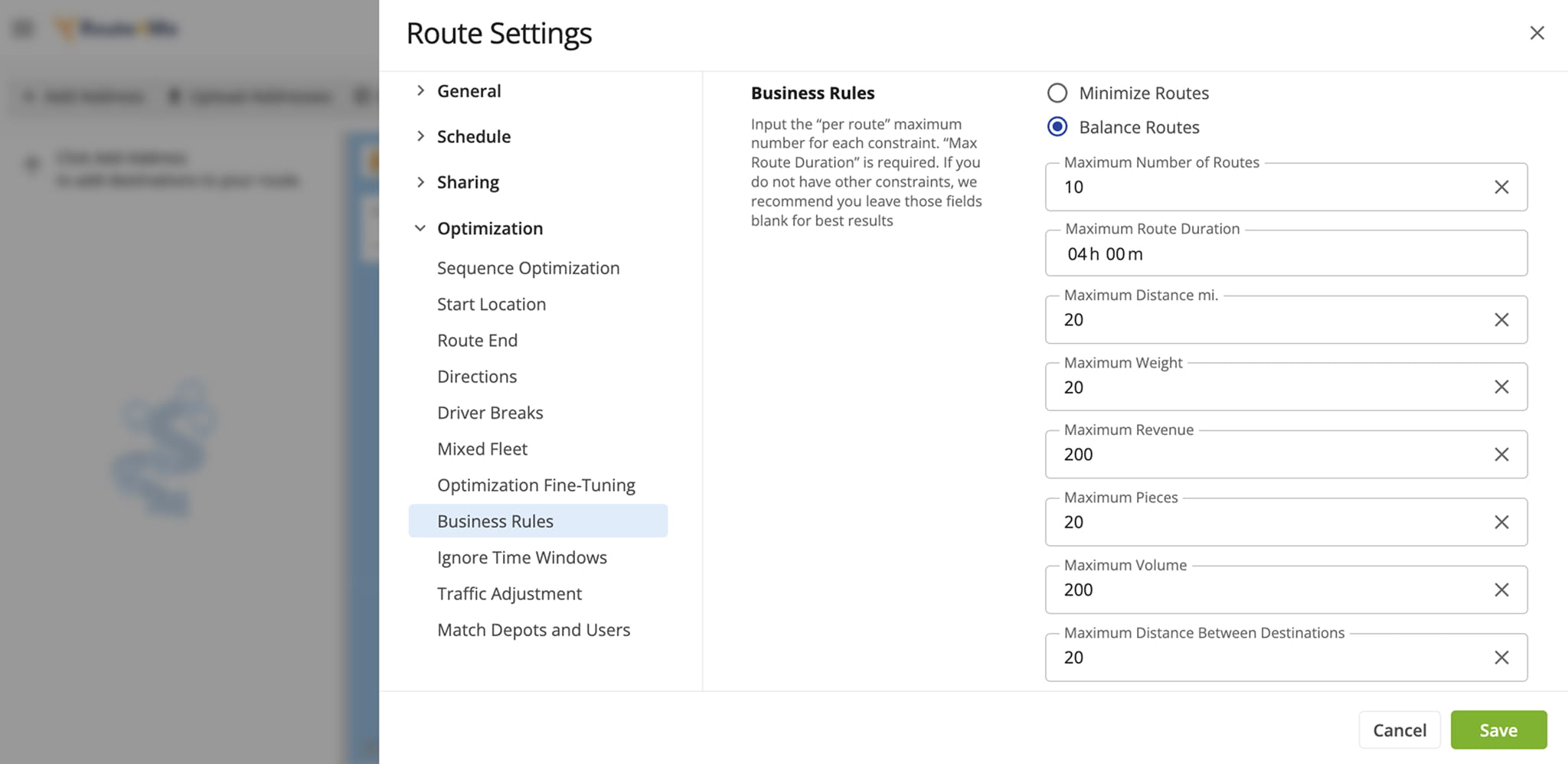
A new, structured Route Settings panel is being introduced to provide a more consistent and scalable configuration experience when planning routes.


This update replaces the previous settings popover, aligning route settings with other interfaces across the software.
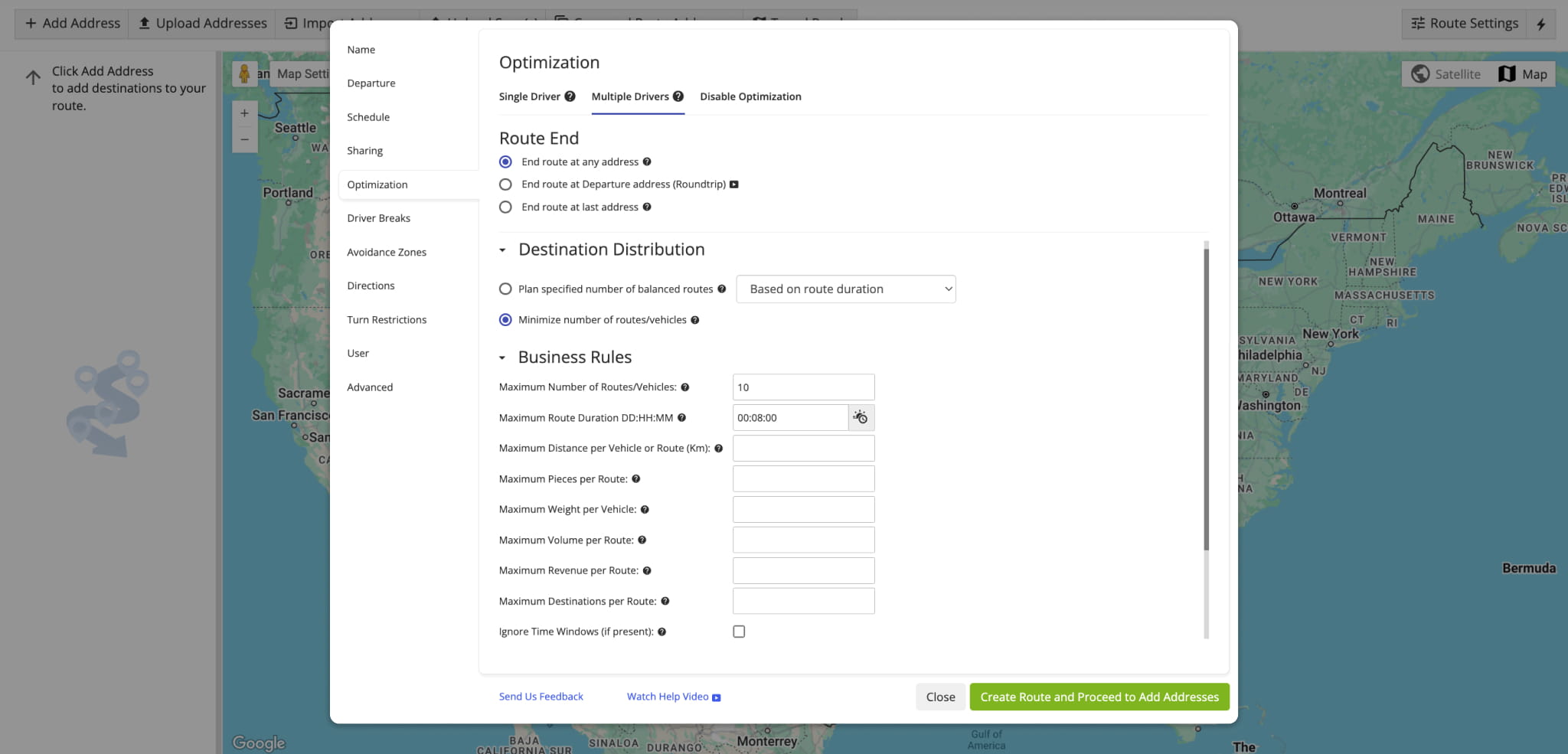
This update replaces the previous popover-based settings.

Crews Management Crew-Based User Management For Last Mile Operations
New Feature
In Testing

A new Crews system is being introduced to organize drivers, field workers, and other user types into structured teams based on their roles and responsibilities. Crews can be configured based on your operational needs.

A new Crews system is being introduced to organize drivers, field workers, and other user types into structured teams based on their roles and responsibilities.

Preconfigured Asset Types Asset Type Selection For Faster Asset Setup
New Feature
In Testing

Preconfigured asset types are being introduced to streamline the setup of vehicles, equipment, and other operational assets. Learn more about Route4Me Asset Management. See the table below for a full list of preconfigured Asset Types.

Preconfigured asset types are being introduced to streamline the setup of vehicles, equipment, and other operational assets.

Asset TypeDescription
Waste & Environmental
Waste binTrack and manage waste bins using RFID or barcode identification for accurate service and asset records.
Garbage binMonitor garbage bins with RFID or barcode tracking to support collection and maintenance workflows.
Recycling binTrack recycling bins using RFID or barcode scanning to log service activity and status.
Compost binManage compost bins with RFID or barcode identification to monitor scheduled pickups and servicing.
Hazardous-waste containerTrack hazardous-waste containers using RFID or barcode systems to support compliance and handling records.
Bio-medical waste binMonitor bio-medical waste bins through RFID or barcode tracking for controlled collection processes.
Oil/chemical drumTrack oil and chemical drums using RFID or barcode identification to maintain handling and inventory visibility.
Waste compactorManage waste compactors with RFID or barcode tracking to monitor servicing and operational status.
Skip containerTrack skip containers using RFID or barcode systems to oversee deployment and pickup activity.
Street litter binMonitor public litter bins with RFID or barcode identification to support municipal servicing operations.
Street sweeperTrack street sweepers as field assets using RFID or barcode-based identification.
Underground waste containerManage underground waste containers using RFID or barcode tracking to monitor access and servicing.
E-waste binTrack electronic waste bins with RFID or barcode identification for controlled recycling workflows.
Recycling balerMonitor recycling balers using RFID or barcode systems to log usage and maintenance activity.
Organic waste digesterTrack organic waste digesters with RFID or barcode identification to manage processing assets.
Rainwater harvesting tankMonitor rainwater harvesting tanks using RFID or barcode tracking to maintain inspection records.
Public recycling stationTrack public recycling stations with RFID or barcode systems for service coordination.
Industrial shredderManage industrial shredders using RFID or barcode tracking to monitor operation and maintenance.
Hazardous spill kitTrack hazardous spill kits with RFID or barcode identification to ensure availability and compliance.
Glass recycling containerMonitor glass recycling containers using RFID or barcode tracking for collection visibility.
Power & Energy
Diesel generatorTrack diesel generators using RFID or barcode identification to monitor deployment and servicing.
Portable generatorManage portable generators with RFID or barcode tracking to maintain location and usage records.
Solar panel/moduleTrack solar panels or modules using RFID or barcode systems for asset management and maintenance.
Battery pack/UPS unitMonitor battery packs or UPS units with RFID or barcode identification to support lifecycle tracking.
Power transformerTrack power transformers using RFID or barcode systems to maintain inspection and service records.
Electrical switchgearManage electrical switchgear with RFID or barcode tracking for asset visibility and maintenance logging.
Circuit breaker panelTrack circuit breaker panels using RFID or barcode identification to monitor servicing and status.
EV charging stationManage EV charging stations with RFID or barcode tracking to support infrastructure oversight.
Fuel tankTrack fuel tanks using RFID or barcode identification to monitor inventory and servicing.
Power cable/reelManage power cables and reels with RFID or barcode systems to maintain asset accountability.
Wind turbineTrack wind turbines using RFID or barcode identification to support maintenance scheduling.
Hydroelectric turbineMonitor hydroelectric turbines with RFID or barcode tracking for infrastructure management.
Fuel cellTrack fuel cells using RFID or barcode identification to manage operational assets.
High-voltage cableMonitor high-voltage cables using RFID or barcode systems for inspection and asset tracking.
Power inverterTrack power inverters with RFID or barcode identification to support equipment management.
Smart meterManage smart meters using RFID or barcode tracking to maintain installation and service records.
Battery management systemTrack battery management systems with RFID or barcode identification for system oversight.
Capacitor bankMonitor capacitor banks using RFID or barcode tracking to log inspection and maintenance events.
Lighting poleTrack lighting poles with RFID or barcode identification to support infrastructure maintenance.
Grid monitoring sensorManage grid monitoring sensors using RFID or barcode systems to maintain operational visibility.
Vehicles & Transportation
Delivery truckTrack delivery trucks using RFID or barcode identification to maintain fleet visibility.
ForkliftManage forklifts with RFID or barcode tracking to monitor usage and servicing.
Pallet jackTrack pallet jacks using RFID or barcode identification to maintain warehouse asset control.
Customer Satisfaction Overhaul Customer Surveys & Feedback Analytics Dashboard
UI/UX Update
Planned

The Customer Satisfaction dashboard is being redesigned to provide a more flexible and intuitive way to create and customize surveys. The updated configuration interface offers improved control over survey questions, branding elements, and response formats, making it easier to tailor feedback collection to specific operational needs.
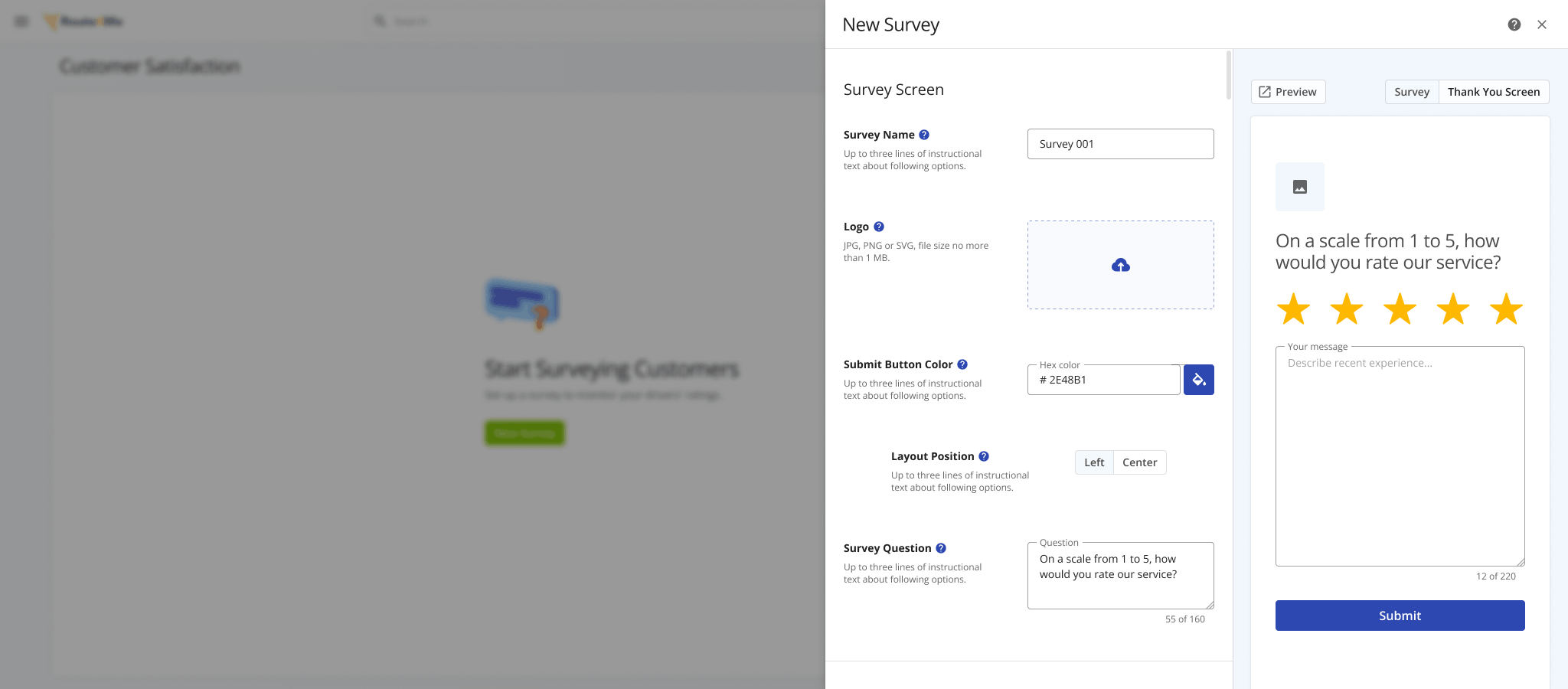
The Customer Satisfaction dashboard is being redesigned to provide a more flexible and intuitive way to create and customize surveys.


The overhauled dashboard aggregates customer responses into a clearer, more structured view of feedback, response rates, and satisfaction trends. With improved visualization of ratings, messages, and performance data, this update enables teams to better evaluate service quality, identify recurring issues, and make more informed, data-driven decisions.
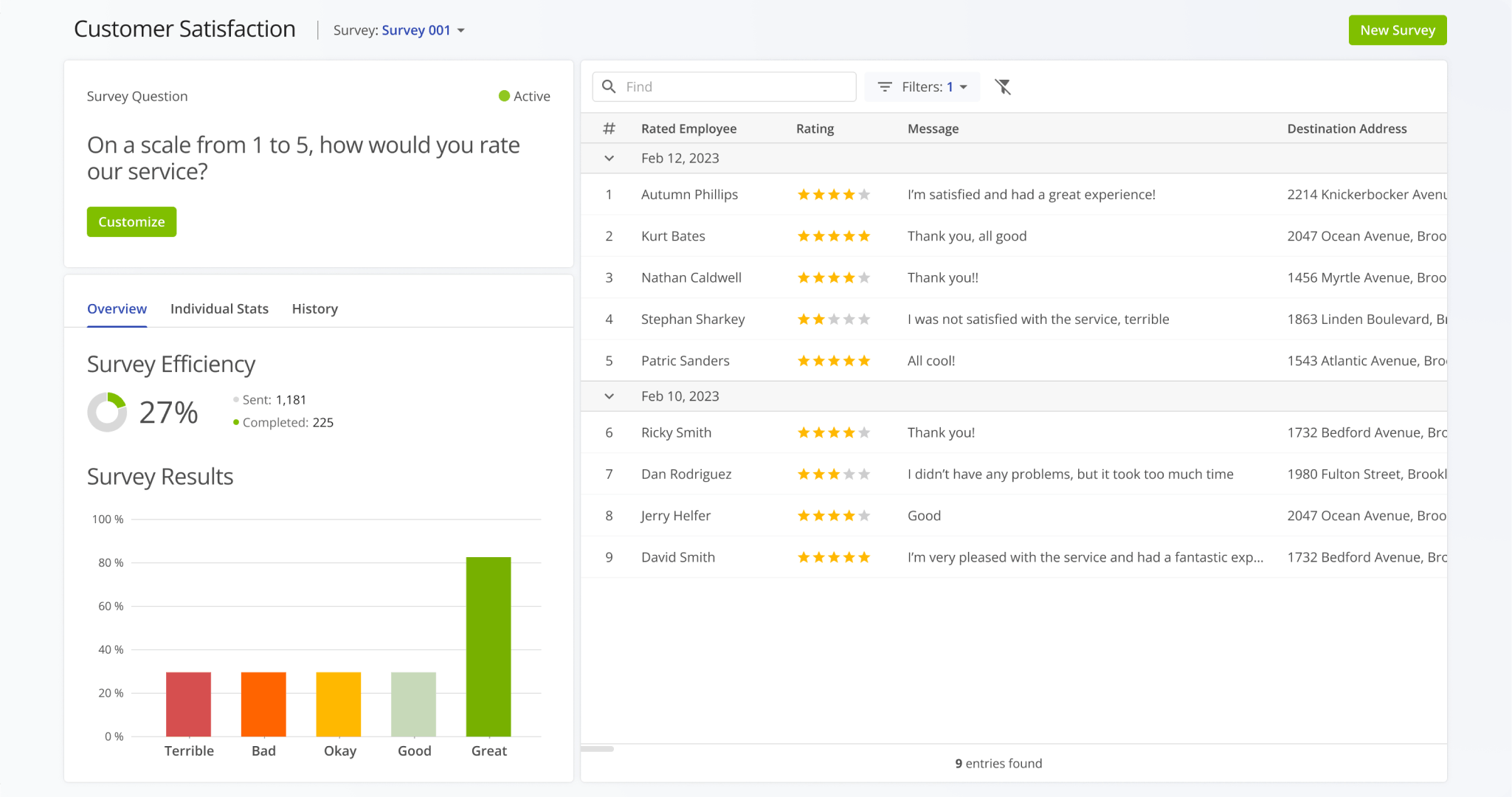
The overhauled dashboard aggregates customer responses into a clearer, more structured view of feedback, response rates, and satisfaction trends.

New Operation Matrix Operation Matrix For Performance Monitoring
UI/UX Update
Planned

A new Operation Matrix is being introduced to provide a centralized, data-driven view of operational performance across regions, facilities, and routes. It combines key metrics such as progress, compliance, and successful and failed destinations with time-based visualization, enabling users to quickly identify patterns, issues, and trends.
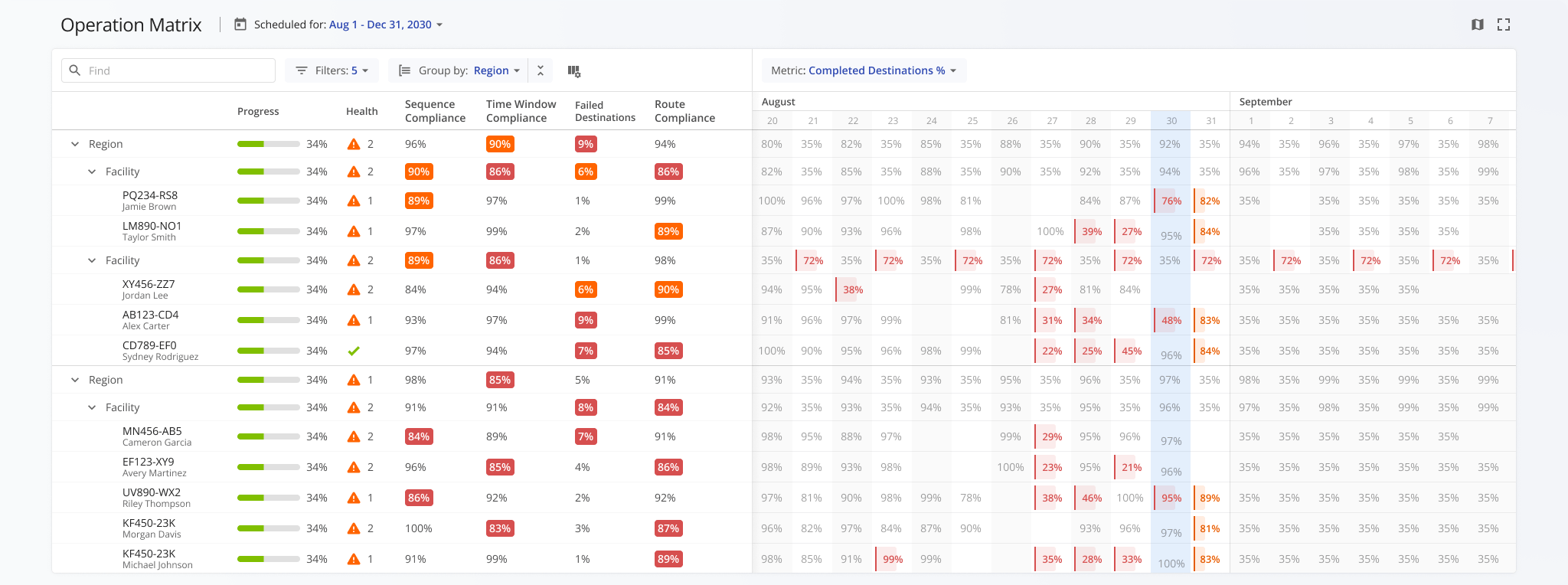
A new Operation Matrix is being introduced to provide a centralized, data-driven view of operational performance across regions, facilities, and routes.

Route Snapshot Graphs Visual Analytics & Synced Telematics Data
Enhancement
Planned

The Route Snapshot experience is being expanded with a new visual analytics layer that provides deeper insight into route execution. The updated overview introduces new dynamic graphs and a detailed interactive map, allowing users to analyze performance metrics such as speed, service time, and route progression in a more intuitive and structured way.
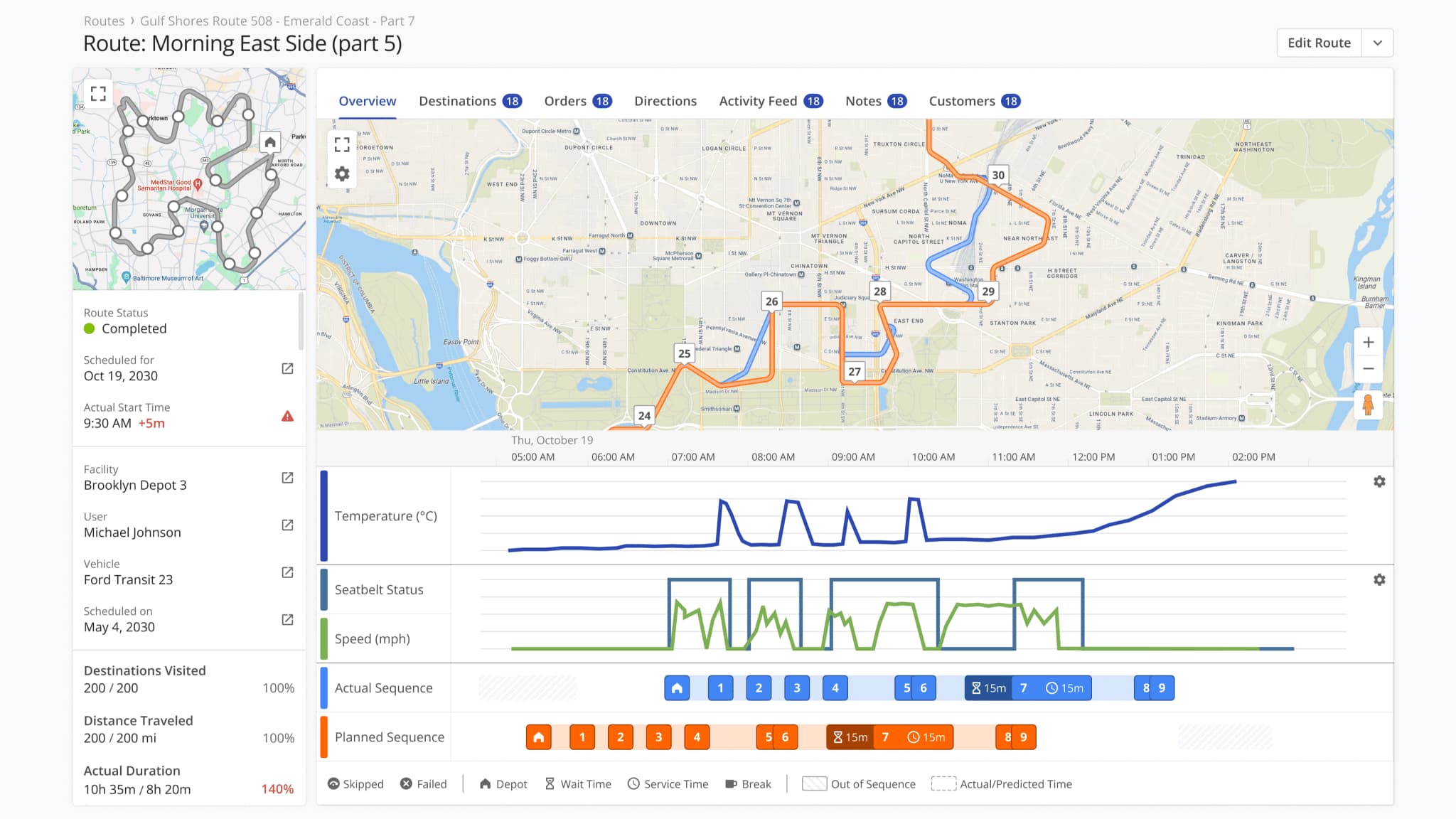
The Route Snapshot experience is being expanded with a new visual analytics layer that provides deeper insight into route execution.


Graphs are grouped into categories, enabling you to visualize key metrics such as route duration distribution, vehicle utilization, on-time performance, route sequence compliance, and more, all tailored to your specific operational needs.
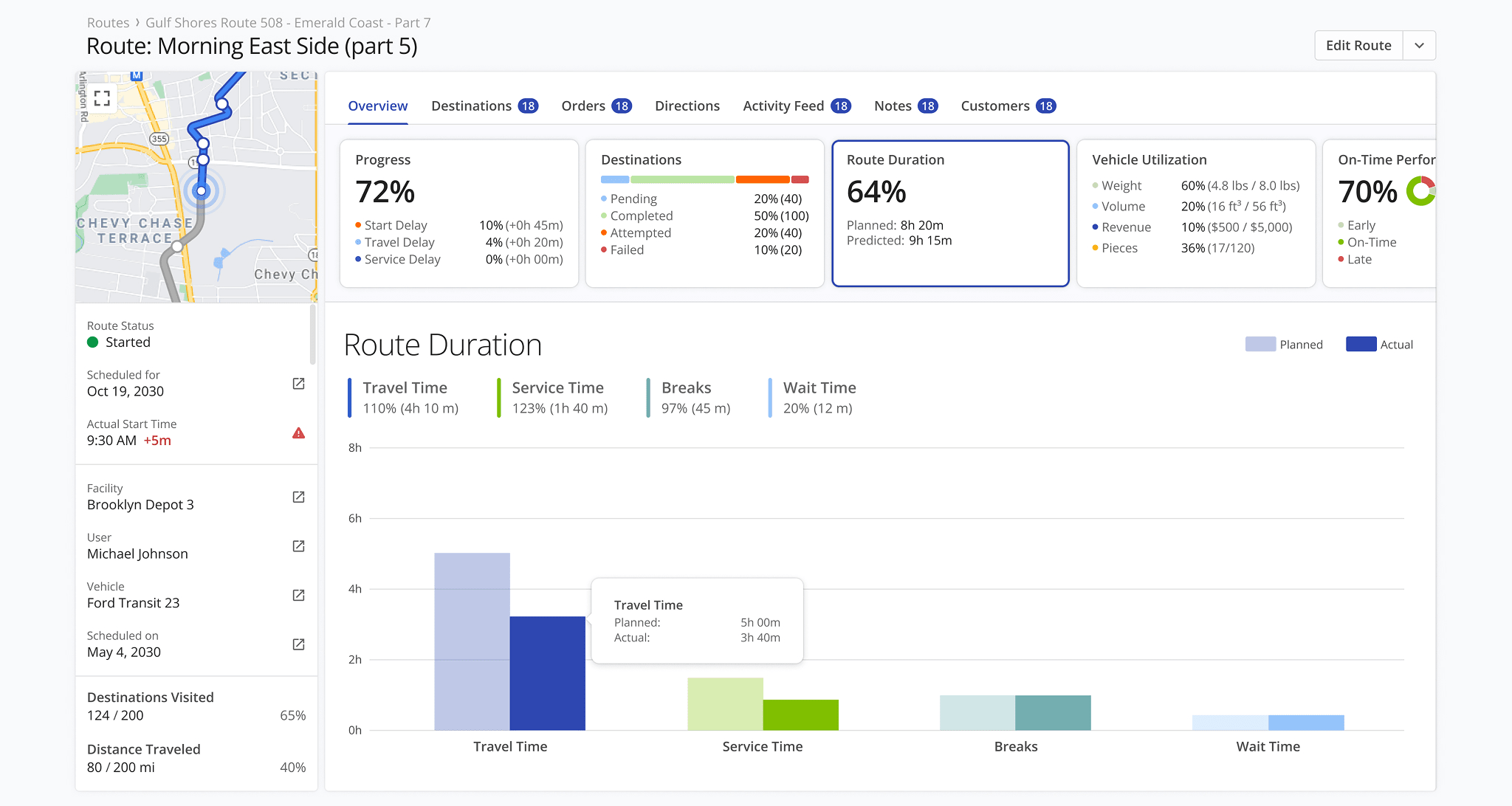
Graphs are grouped into categories, enabling you to visualize key metrics.

High-Performance Map Rendering New Mapping Engine For High-Performance Visualization
System Update
Planned

A new map engine will significantly improve performance when displaying a large volume of high-density locations. This update will enable smoother interaction even with thousands of points on the map and improve software responsiveness.

A new map engine will significantly improve performance when displaying a large volume of high-density locations. This update will enable smoother interaction even with thousands of points on the map.


As a result, you’ll be able to work with large-scale routing scenarios more efficiently on the map at any zoom level.

You

Regions & Grouping Region-Based Organization & Grouping Options
New Feature
Planned

Regions are being introduced to enable structured grouping based on geographic or operational criteria.

Regions are being introduced to enable structured grouping based on geographic or operational criteria.


Regions enable users to organize resources and assets more efficiently by segmenting them into clearly defined areas.

Regions are being introduced to enable structured grouping based on geographic or operational criteria.

Tracking Page Overhaul New Tracking Page With Enhanced Interaction Features
UI/UX Update
Planned

The Tracking Page for customers is being redesigned to align with the overall look and feel of the Route4Me platform while improving usability and clarity. This update will provide a more structured view of delivery status and order details.

In addition, new interaction features such as sharing location and sending instructions to the driver enable more direct communication, helping to improve delivery accuracy and the overall customer experience.
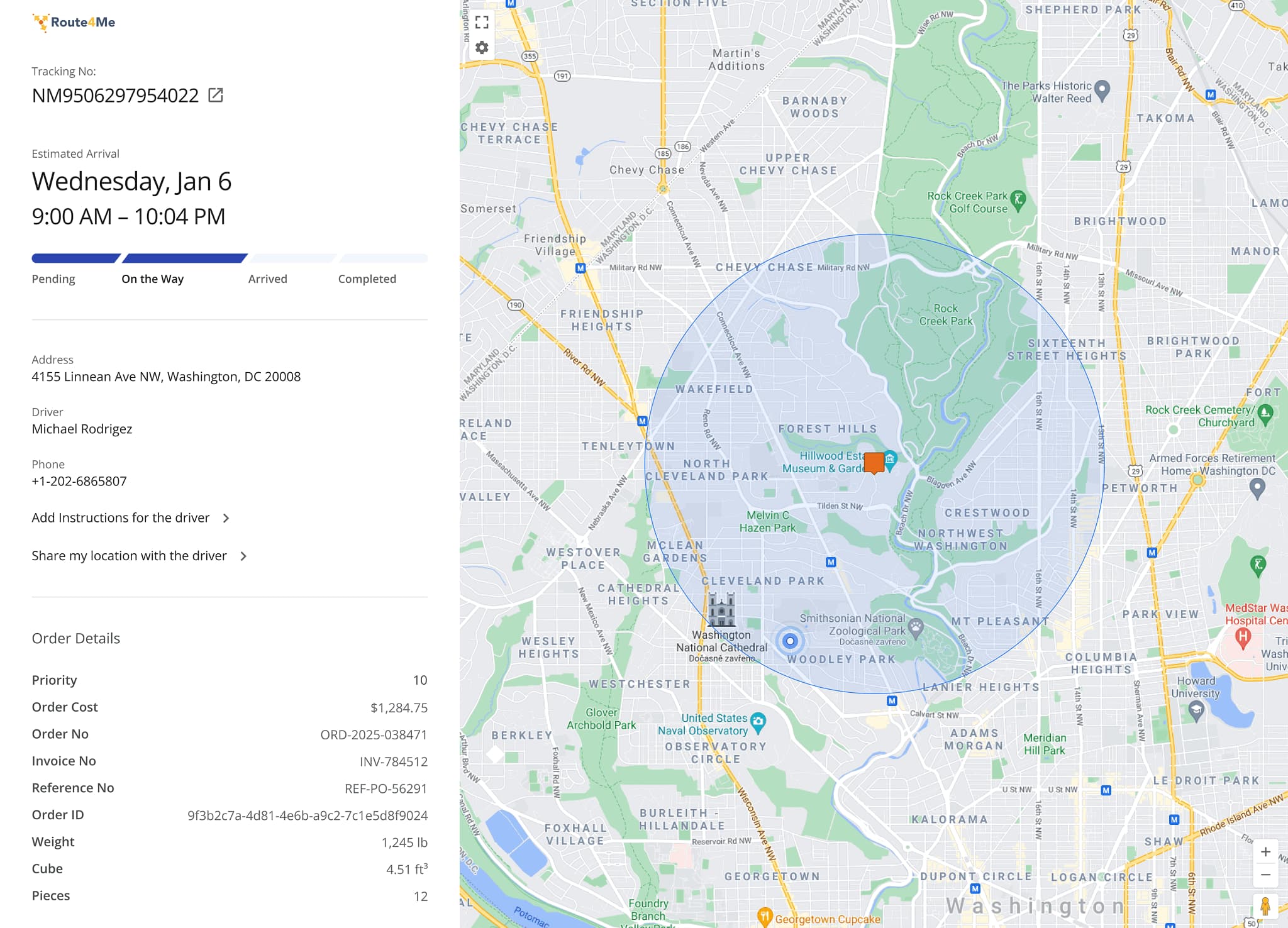
The Tracking Page for customers is being redesigned to align with the overall look and feel of the Route4Me platform while improving usability and clarity.

Customer Self-Service Portal Customer Portal For Order Data & Analytics
New Feature
Planned

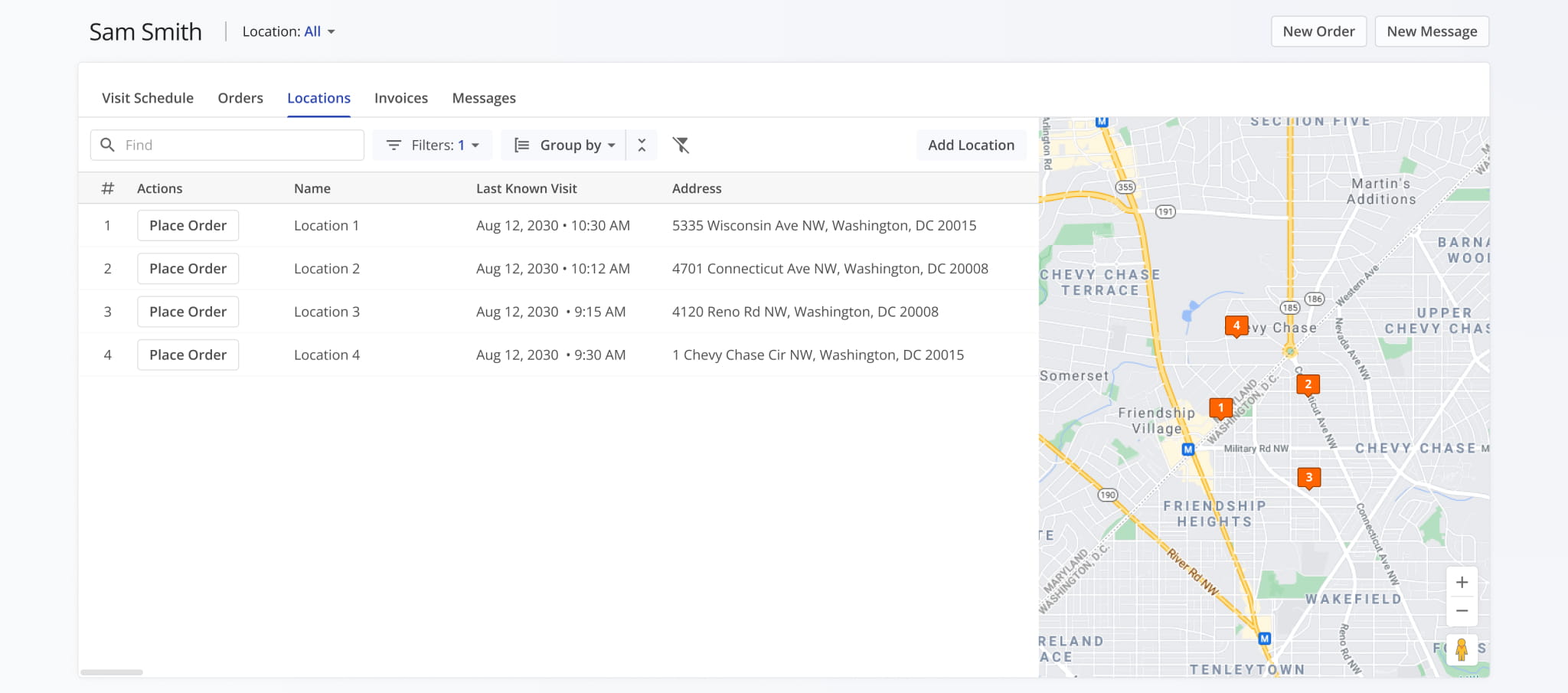
A new Customer Portal is being introduced to provide a centralized, self-service interface where clients can manage their locations, orders, and account data. The portal supports secure access via Magic Link authentication, configurable permissions, and role-based access control, allowing businesses to tailor visibility and editing rights for different user types.
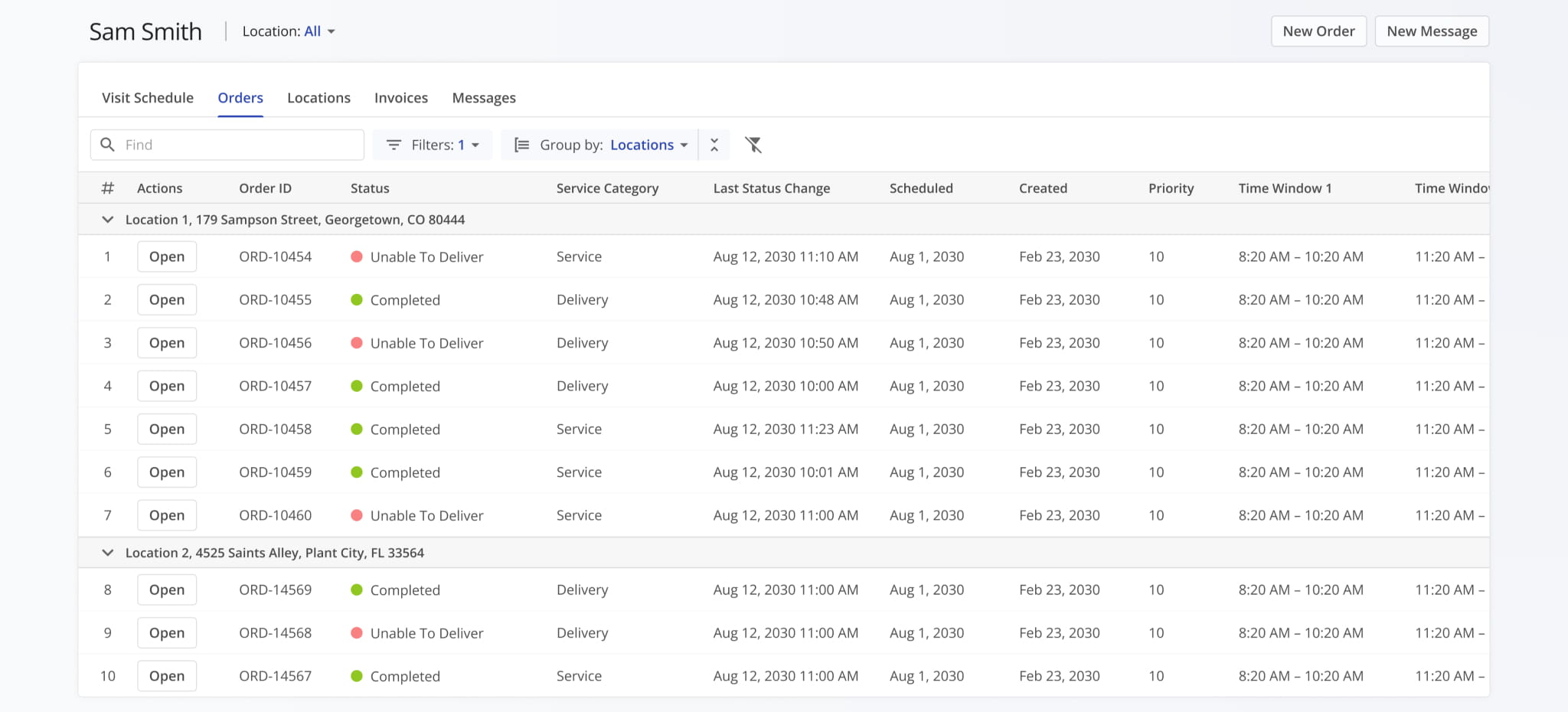
 

Within the portal, customers can view and manage locations, place and track orders, access order snapshots, and monitor performance through built-in analytics and reporting.

Businesses can enable or disable specific modules, control available attributes, and configure workflows, creating a flexible interface that scales from lightweight access to a fully integrated Route4Me experience.
Route4Me Update Categories And Release Types Legend

Route4Me’s industry-leading transportation management software is continuously evolving, with new features and updates released regularly. The table below lists the types of planned updates described on this page.

Release TypeDescription
HighlightsHighlighted releases are major updates and brand new features. Any of the release types listed below can be highlighted, and you can use the “Release Type” filter to add or exclude “Highlights” from the visible Release Notes.
 New FeatureIntroduces brand-new functionality or tools. These updates expand the core capabilities of the platform, such as new optimization types and dedicated management modules.
 EnhancementImprovements to existing features. This includes adding new data columns, advanced filtering options, or increasing the efficiency of current workflows.
 UI/UX UpdateVisual and structural changes. These updates focus on redesigns and navigation improvements to make the software more intuitive and easier to navigate.
 System UpdateBehind-the-scenes technical improvements. While not always visible, these updates enhance platform stability, security, and backend processing speed.
 IntegrationUpdates related to connecting Route4Me with external systems. This includes ERP and API integrations, Telematics providers, and third-party applications to ensure seamless data flow across your organization.
 Feature RemovalThe retirement or deprecation of legacy tools. Features are removed to reduce complexity, replace outdated tech, streamline the user experience, and ensure you always have access to the most up-to-date Route4Me functionality.
Last Updated:

About author: Alex Yasko

Alex YaskoAlex Yasko is the Go-to-Market Product Manager and Information Architecture Manager at Route4Me. With thousands of hours of experience, Alex specializes in breaking down complex last-mile optimization and routing scenarios into simple, actionable instructions, helping last-mile businesses streamline their operations effortlessly.

Was this article helpful?
Still can't find what you're looking for? Contact us
Route4Me

About Route4Me

Route4Me has over 40,000 customers globally. Route4Me's Android and iPhone mobile apps have been downloaded over 2 million times since 2009. Extremely easy-to-use, Route4Me's apps create optimized routes, synchronize routes to mobile devices, enable communication with drivers and customers, offer turn-by-turn directions, delivery confirmation, and more. Behind the scenes, Route4Me's operational optimization platform combines high-performance algorithms with data science, machine learning, and big data to plan, optimize, and analyze routes of almost any size in real-time.